Introduction
The automotive aftersales sector, encompassing vehicle maintenance, repairs, and service operations, is embracing cutting-edge technologies to enhance efficiency and technician performance. A trending innovation is the use of smart wearables—devices such as smart glasses, wristbands, or augmented reality (AR) headsets—designed to assist technicians in real-time diagnostics, repairs, and workflow management. These wearables streamline complex tasks, improve accuracy, and support the growing demands of electric vehicle (EV) and connected vehicle servicing. The global wearable technology market in automotive is projected to grow from USD 1.8 billion in 2023 to USD 5.2 billion by 2030, at a compound annual growth rate (CAGR) of 16.4% (MarketsandMarkets, 2023). This academic study explores the mechanics, benefits, and transformative potential of smart wearables in automotive aftersales, using the Harvard Cite Them Right style for in-text citations and references.
How Smart Wearables Work in Aftersales
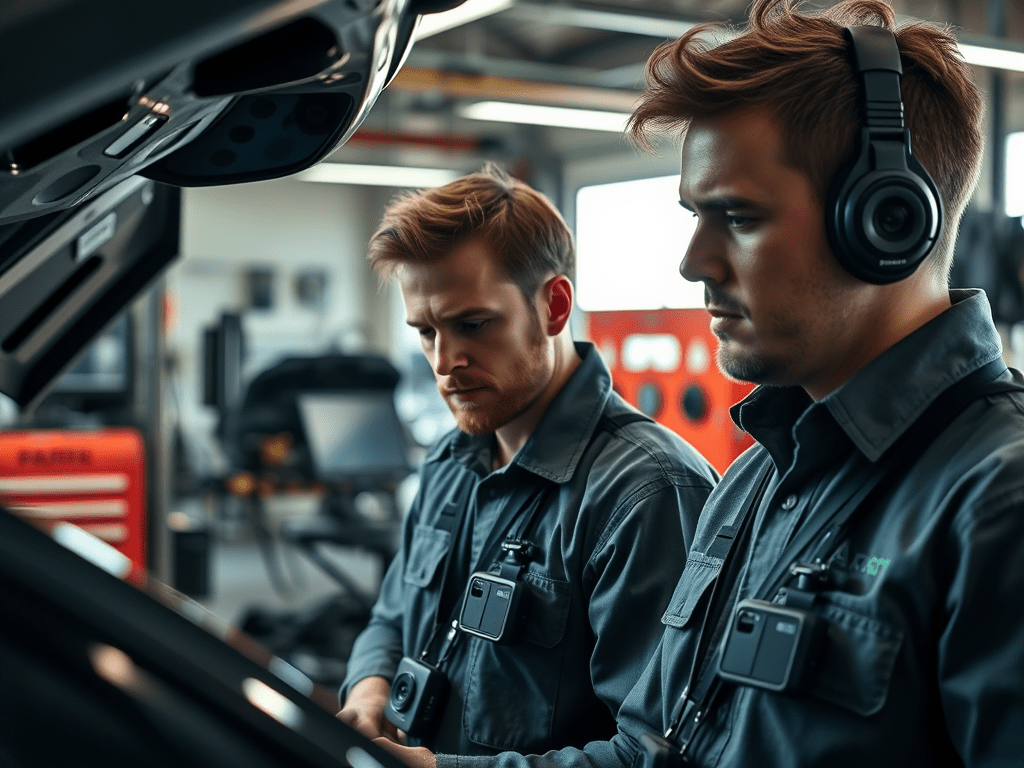
Smart wearables in aftersales are equipped with sensors, cameras, and connectivity features to provide technicians with real-time data and guidance. Smart glasses, for instance, display AR overlays with diagnostic information, repair instructions, or 3D component models directly in the technician’s field of view. Wristbands or smartwatches monitor task progress and provide alerts for service milestones or safety protocols.
These devices integrate with service center systems and vehicle diagnostics via IoT and cloud platforms, enabling seamless access to manufacturer databases and real-time collaboration with remote experts (Bosch, 2024). For example, companies like Volkswagen use smart glasses to guide technicians through EV battery repairs, reducing errors and training time (Automotive World, 2025). Wearables also support voice commands and gesture controls, enhancing usability in hands-on environments (McKinsey, 2025).
Real-Time Assistance and Transparency
Smart wearables provide real-time assistance by delivering instant access to critical data, such as error codes, torque specifications, or service histories, directly to technicians. This reduces diagnostic times by up to 30% and improves repair accuracy (Deloitte, 2024).
For customers, wearables enhance transparency indirectly by enabling faster, more reliable services. Technicians can share video feeds or diagnostic reports with customers via integrated apps, fostering trust through clear communication (Urban Science, 2025). For EV servicing, wearables display battery health metrics in real time, ensuring precise interventions (Automotive News, 2024). This transparency aligns with customer expectations for digital, informed service experiences.
Efficiency Gains for Service Centers
Smart wearables streamline aftersales operations by reducing manual processes and enhancing technician productivity. By providing hands-free access to repair guides and remote expert support, wearables cut repair times by 20–25% and minimize errors (Bosch, 2024).
Service centers benefit from reduced training costs, as wearables guide less experienced technicians through complex tasks, improving first-time fix rates by 15% (Automotive World, 2025). Integration with inventory systems allows wearables to flag required parts instantly, optimizing logistics and reducing downtime (MarketsandMarkets, 2023). Dealerships also report increased upsell opportunities, as efficient workflows free technicians to recommend additional services, boosting revenue by 10% (McKinsey, 2025).
Enhanced Customer Experience
Smart wearables enhance the customer experience by improving service quality and reducing vehicle downtime. Faster, more accurate repairs enabled by wearables lead to higher satisfaction, with 65% of customers valuing quick turnaround times (Deloitte, 2024).
For EV owners, wearables support specialized diagnostics, such as battery or software troubleshooting, addressing unique aftersales needs (Urban Science, 2025). The professional, tech-driven service environment created by wearables fosters loyalty, with customers 20% more likely to return to dealerships using advanced tools (Automotive News, 2024). Digital updates facilitated by wearables, such as service completion alerts, further enhance the customer-centric experience.
Flexibility and Future Potential
Smart wearables offer flexibility by supporting technicians across diverse tasks and environments, from routine maintenance to complex EV repairs. They can be deployed in small or large service centers, with cloud-based updates ensuring adaptability to new vehicle models (Bosch, 2024).
Future advancements, including integration with AI for predictive diagnostics and 5G for faster data transfer, will enhance wearable capabilities (McKinsey, 2025). Challenges like battery life and initial costs persist, but declining hardware prices and modular designs are driving adoption (MarketsandMarkets, 2023). As vehicle complexity grows, particularly in EVs and autonomous systems, wearables will be critical for maintaining a skilled, efficient workforce (Automotive World, 2025).

Conclusion
Smart wearables are revolutionizing automotive aftersales by enhancing technician performance, operational efficiency, and customer satisfaction. Supported by market growth and early adoptions, this technology is vital for service centers navigating a competitive, electrified landscape. By streamlining repairs, improving accuracy, and fostering trust, smart wearables represent a transformative step toward a future-ready aftersales ecosystem.
References
Automotive News (2024) Smart Wearables Boost Technician Efficiency in Aftersales. Available at: https://www.autonews.com/dealers/smart-wearables-technician-efficiency-aftersales (Accessed: 16 August 2025).
Automotive World (2025) Smart Wearables in Automotive Aftersales: A Game Changer. Available at: https://www.automotiveworld.com/articles/smart-wearables-aftersales/ (Accessed: 16 August 2025).
Bosch (2024) Smart Wearables for Automotive Technician Productivity. Available at: https://www.bosch.com/stories/smart-wearables-technician-productivity/ (Accessed: 16 August 2025).
Deloitte (2024) The Future of Automotive Aftersales: Digital Transformation Insights. Available at: https://www2.deloitte.com/us/en/insights/industry/automotive/future-of-automotive-aftersales.html (Accessed: 16 August 2025).
MarketsandMarkets (2023) Wearable Technology Market in Automotive – Global Forecast to 2030. Available at: https://www.marketsandmarkets.com/Market-Reports/wearable-technology-automotive-market.html (Accessed: 16 August 2025).
McKinsey (2025) Smart Wearables in Automotive Aftersales: Enhancing Service Delivery. Available at: https://www.mckinsey.com/industries/automotive-and-assembly/our-insights/smart-wearables-aftersales (Accessed: 16 August 2025).
Urban Science (2025) Four Key Trends Shaping the Aftersales Landscape in 2025. Available at: https://www.urbanscience.com/resources/four-key-trends-shaping-the-aftersales-landscape-in-2025/ (Accessed: 16 August 2025).