Introduction
Formula 1 epitomizes the fusion of human ingenuity and mechanical precision, serving as a global laboratory for automotive advancements. As the sport navigates the 2025 season toward the transformative 2026 regulations, these changes underscore a commitment to sustainability, safety, and competitive equity. This in-depth analysis dissects the regulatory frameworks for 2025 and 2026, elucidating key technologies such as hybrid powertrains, active aerodynamics, and eco-friendly fuels. We extend our gaze beyond 2026 to emerging proposals, grounding our discussion in official sources to foster an educative understanding. These evolutions not only heighten on-track drama but also propel real-world applications in energy efficiency and vehicle design, demonstrating F1’s role in addressing climate challenges while preserving its thrilling essence.
2025 Regulations: Iterative Enhancements for Fairness and Development
The 2025 regulations introduce targeted refinements to the sporting and technical rules, acting as a transitional phase before 2026’s overhaul. These adjustments, ratified by the F1 Commission, emphasize talent nurturing, strategic complexity, and operational parity without disrupting the core vehicle architecture (Formula1.com, 2025). By maintaining the 1.6-litre V6 turbo-hybrid power units introduced in 2014, the focus shifts to subtle optimizations that educate on the balance between continuity and progress in high-stakes engineering.
A cornerstone change is the expansion of mandatory rookie driver participation in Free Practice 1 (FP1) sessions. Each team must now allocate two FP1 slots per car to drivers with no more than two prior Grand Prix starts (Formula1.com, 2025). This doubles the previous requirement, providing invaluable track time for emerging talents and allowing teams to gather data on car setups under varied conditions. Educationally, this fosters a pipeline of skilled drivers and engineers, illustrating how experiential learning accelerates innovation in motorsport.
Tyre management receives nuanced updates to enrich race strategy. For dry weekends, drivers must utilize three different compounds across sessions, with one designated as a mandatory race compound, promoting diverse tactical approaches (Sky Sports, 2025). In wet sprint formats, an additional intermediate tire set is provided, enhancing safety and adaptability in variable weather. These rules educate on the physics of tire degradation and grip, where compound selection can influence lap times by seconds, underscoring the interplay between materials science and performance.
The removal of the fastest lap bonus point—previously awarded to top 10 finishers—discourages late-race pit stops solely for fresh tires, redirecting focus to authentic overtaking and endurance (Formula1.com, 2025). This change promotes strategic integrity, teaching that true competition arises from holistic race craft rather than isolated gimmicks.
Vehicle weight standards are elevated: the minimum car weight rises to 800kg (from 798kg), while the driver minimum, including seat and gear, increases to 82kg (FIA, 2024). These increments accommodate evolving safety features and ensure fairness across physiques, highlighting biomechanical considerations in design. Minor technical tweaks, such as halo visibility improvements and impact testing refinements, reinforce safety protocols without altering aerodynamics or power delivery (FIA, 2024).
| Key 2025 Regulatory Changes | Purpose and Educational Insight |
|---|---|
| Rookie FP1 Sessions: Two per car for drivers with ≤2 GP starts. | Nurtures talent; demonstrates data-driven development in real-time scenarios. |
| Tyre Rules: Three compounds mandatory in dry sessions; extra intermediates for wet sprints. | Enhances strategy; educates on rubber chemistry and thermal dynamics. |
| Fastest Lap Point: Eliminated. | Promotes genuine racing; illustrates ethical strategy over exploitation. |
| Minimum Weight: Car 800kg; driver + gear 82kg. | Ensures equity; highlights integration of human factors in engineering. |
| Power Units: Final year of 2014-era V6 turbo-hybrids. | Bridges to future; teaches hybrid efficiency in transitional phases. |
These modifications exemplify F1’s iterative methodology, where small tweaks yield significant educational value in understanding regulatory evolution.
2026 Regulations: A Sustainable Technological Overhaul
The 2026 rules mark a pivotal shift, integrating advanced electrification, aerodynamic agility, and environmental stewardship to achieve net-zero carbon emissions while sustaining over 1,000 brake horsepower (bhp) (Formula1.com, 2024). Crafted by the FIA, these regulations educate on holistic system design, where power, efficiency, and raceability converge to inspire greener mobility solutions (FIA, 2024).
Power Units: Balancing Electrification and Combustion
The revamped power unit retains the 1.6-litre V6 turbocharged internal combustion engine (ICE) but eliminates the Motor Generator Unit-Heat (MGU-H), simplifying architecture and reducing costs (Formula1.com, 2024). The Motor Generator Unit-Kinetic (MGU-K) output triples to 350kW, achieving a near 50/50 ICE-electric power split, with ICE capped at 400kW but total output enhanced through electrical boosts (Red Bull, 2025). Energy recovery surges to 8.5MJ per lap, enabling a ‘Manual Override Mode’ that delivers 350kW bursts up to 337kph for overtakes when within one second of the car ahead (Red Bull, 2025). This mode educates on energy management strategies, akin to real-time optimization in electric vehicles.
Fuels transition to 100% sustainable sources, such as bio-wastes or captured atmospheric carbon, ensuring no new fossil emissions (Formula1.com, 2022). Fuel flow is limited to 3000MJ/h, with specifications like RON 95-102 and density 720-785kg/m³, reducing loads by 30% and emphasizing efficiency (FIA, 2024). Six manufacturers—Ferrari, Mercedes, Alpine/Renault, Honda, Audi, and Red Bull-Ford—supply units, capped at €17 million annually, promoting accessibility and innovation transfer to road cars (Formula1.com, 2024).
| 2026 Power Unit Specifications | Educational Insight |
|---|---|
| Engine: 1.6L V6 turbo, 400kW ICE, 350kW MGU-K. | Demonstrates hybrid synergy; ICE provides baseline, electric for peaks. |
| Energy Recovery: 8.5MJ/lap, up to 9MJ harvestable. | Teaches regenerative braking principles, mirroring EV tech. |
| Fuel: 100% sustainable, specific RON and density. | Highlights chemistry in sustainability; reduces environmental footprint. |
| Weights: Full PU 185kg; components like piston 350g. | Illustrates lightweighting trade-offs for performance. |
| Turbo: Max 150,000rpm, compressor Ø 100-110mm. | Educates on fluid dynamics and thermal management. |
These elements foster tactical racing, where battery deployment becomes as crucial as throttle control.
Aerodynamics and Chassis: Promoting Close Racing
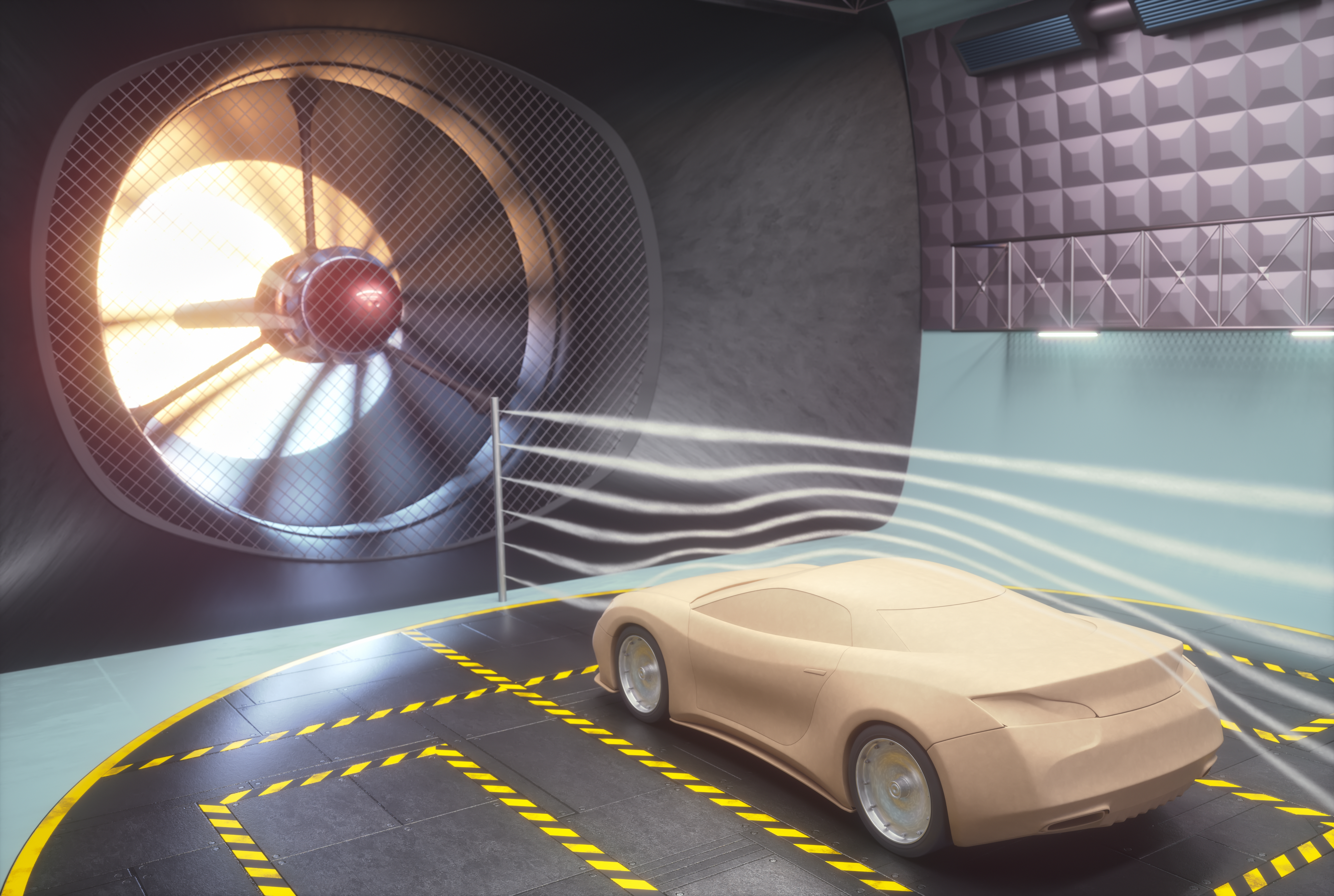
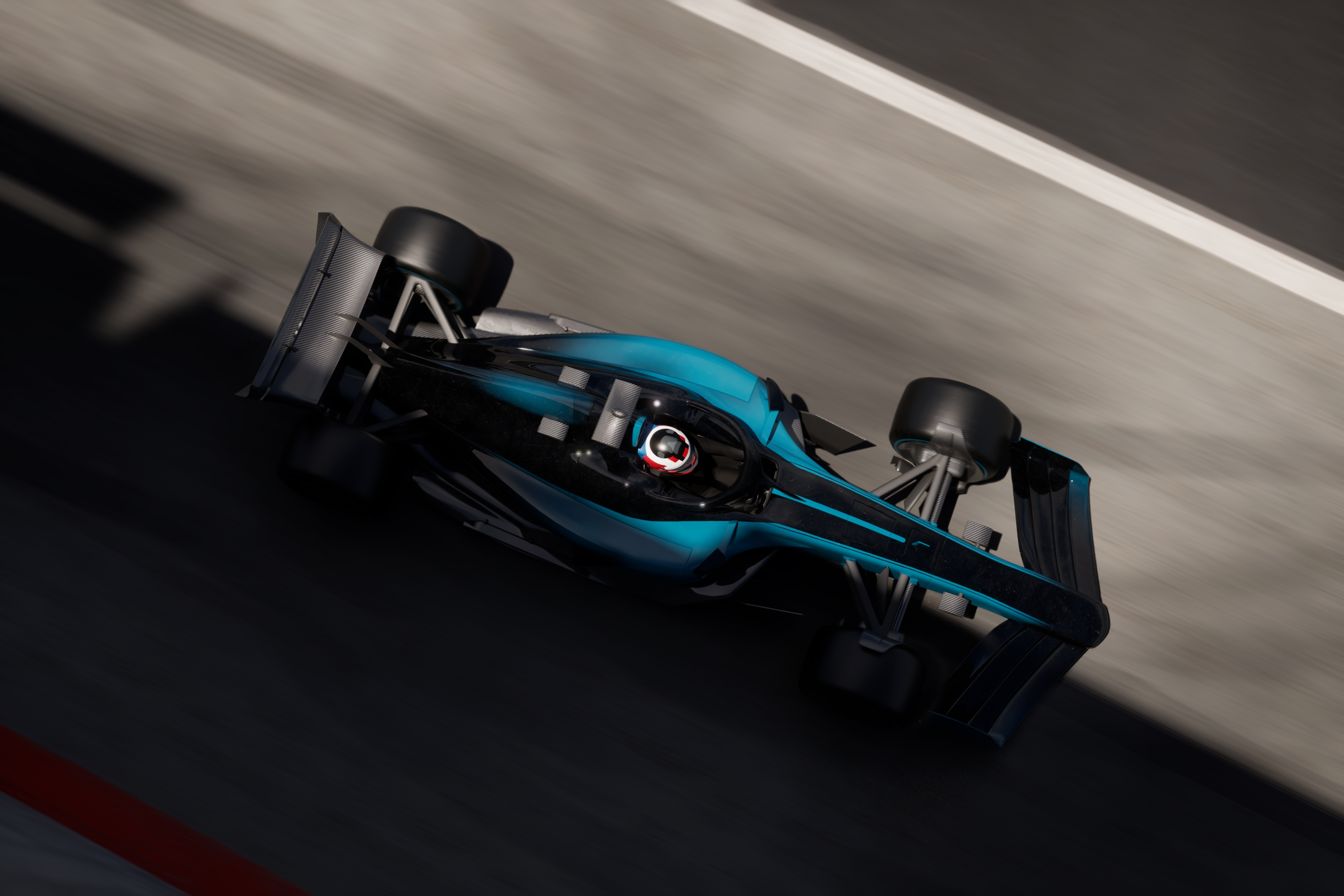
Cars become more nimble: wheelbase shortens to 3400mm, width to 1900mm, and minimum weight drops to 768kg (Formula1.com, 2024b). Downforce reduces by 30%, drag by 55%, with active aerodynamics supplanting the Drag Reduction System (DRS) (Racecar Engineering, 2024). ‘Z-mode’ maximizes downforce for corners, while ‘X-mode’ minimizes drag on straights, switchable in zones to aid efficiency and overtakes (Formula1.com, 2024). Simplified floors—partially flat with reduced diffusers—mitigate ‘dirty air,’ enhancing followability and educating on airflow management to reduce wake turbulence.
Chassis rules mandate precise dimensions (e.g., survival cell width 268-490mm) and rigorous impact tests (e.g., frontal at 15m/s with 900kg), using restricted materials like aluminium alloys (FIA, 2024). These standards underscore crash energy absorption, vital for safety engineering education.
Safety and Operational Standards
Enhanced electrical safety includes ERS shutdown within 2 seconds, while fuel systems cap pressures at 350barG (FIA, 2024). Performance balancing allows underperforming teams extra development every six races, ensuring parity (AutoRacing1.com, 2025). This educates on equitable competition, preventing monopolies and encouraging broad innovation.
Beyond 2026: Visionary Proposals
Post-2026, the FIA proposes extending the current engine cycle to 2031, allowing maturation of 2026 technologies before further evolution (RacingNews365, 2025). Discussions include reintroducing V10 engines on sustainable fuels, potentially reviving iconic sounds while adhering to eco-standards (Reddit, 2025). These ideas educate on long-term planning, where auditory appeal meets environmental mandates, possibly integrating AI for energy optimisation in future hybrids.
Conclusion
From 2025’s refinements to 2026’s sustainable revolution and beyond, F1’s regulations embody educational principles of adaptation and foresight. These advancements not only electrify the grid but also impart lessons in engineering ethics, efficiency, and ecology. Engage with this journey as F1 propels toward a dynamic, responsible future.
References
AutoRacing1.com (2025) F1 approves 2026 regulations with balance of performance. Available at: https://autoracing1.com/f1-approves-2026-regulations-with-balance-of-performance/ (Accessed: 6 September 2025).
FIA (2024a) 2026 Formula 1 Technical Regulations. Available at: https://www.fia.com/sites/default/files/fia_2026_formula_1_technical_regulations_issue_8_-_2024-06-24.pdf (Accessed: 6 September 2025).
FIA (2024b) Minor refinements to 2025 regulations agreed at F1 Commission. Available at: https://www.formula1.com/en/latest/article/minor-refinements-to-2025-regulations-agreed-at-f1-commission-meeting.4P1X4h7iD0gdOss87ffQ2Y (Accessed: 6 September 2025).
Formula1.com (2022) More efficient, less fuel and carbon-net-zero: 7 things you need to know about the 2026 F1 engine regulations. Available at: https://www.formula1.com/en/latest/article/more-efficient-less-fuel-and-carbon-net-zero-7-things-you-need-to-know-about.ZhtzvU3cPCv8QO7jtFxQR (Accessed: 6 September 2025).
Formula1.com (2024a) FIA unveils Formula 1 regulations for 2026 and beyond. Available at: https://www.formula1.com/en/latest/article/fia-unveils-formula-1-regulations-for-2026-and-beyond-featuring-more-agile.75qJiYOHXgeJqsVQtDr2UB (Accessed: 6 September 2025).
Formula1.com (2024b) 2026 F1 aerodynamics regulations explained. Available at: https://www.formula1.com/en/latest/article/explained-2026-aerodynamic-regulations-fia-twitter-mode-z-mode-.26c1CtOzCmN3GfLMywrgb2 (Accessed: 6 September 2025).
Formula1.com (2024c) 2026 F1 power unit regulations explained. Available at: https://www.formula1.com/en/latest/article/explained-2026-power-unit-regulations-fia.68izKQ2tn1voQPWvgLVMXN (Accessed: 6 September 2025).
Formula1.com (2025a) 7 rule changes you need to know for the 2025 F1 season. Available at: https://www.formula1.com/en/latest/article/from-fastest-lap-to-increased-rookie-running-7-rule-changes-you-need-to-know.pgdSMDnDyv1aJUgtcKPp6 (Accessed: 6 September 2025).
Formula1.com (2025b) Minor refinements to 2025 regulations agreed at F1 Commission. Available at: https://www.formula1.com/en/latest/article/minor-refinements-to-2025-regulations-agreed-at-f1-commission-meeting.4P1X4h7iD0gdOss87ffQ2Y (Accessed: 6 September 2025).
Racecar Engineering (2024) FIA Announces Details of 2026 Formula 1 Technical Regulations. Available at: https://www.racecar-engineering.com/articles/f1/fia-announces-details-of-2026-formula-1-technical-regulations/ (Accessed: 6 September 2025).
RacingNews365 (2025) FIA proposes new date for major F1 change. Available at: https://racingnews365.com/fia-proposes-new-date-for-major-f1-change (Accessed: 6 September 2025).
Red Bull (2025) Formula One: New rules and regulations for the 2026 season. Available at: https://www.redbull.com/us-en/f1-new-rules-regulations (Accessed: 6 September 2025).
Reddit (2025) F1 2026 Rules + Engines are a complete mess. Available at: https://www.reddit.com/r/F1Technical/comments/1hjl9b7/f1_2026_rules_engines_are_a_complete_mess/ (Accessed: 6 September 2025).
Sky Sports (2025) F1 rules changes 2025: Explaining what’s new. Available at: https://www.skysports.com/f1/news/12433/13327209/f1-rules-changes-2025-explaining-whats-new-whats-changed-ahead-of-australian-grand-prix (Accessed: 6 September 2025).